


How to Utilise Sustainable Appliances in Urban Housing Developments Across Australia
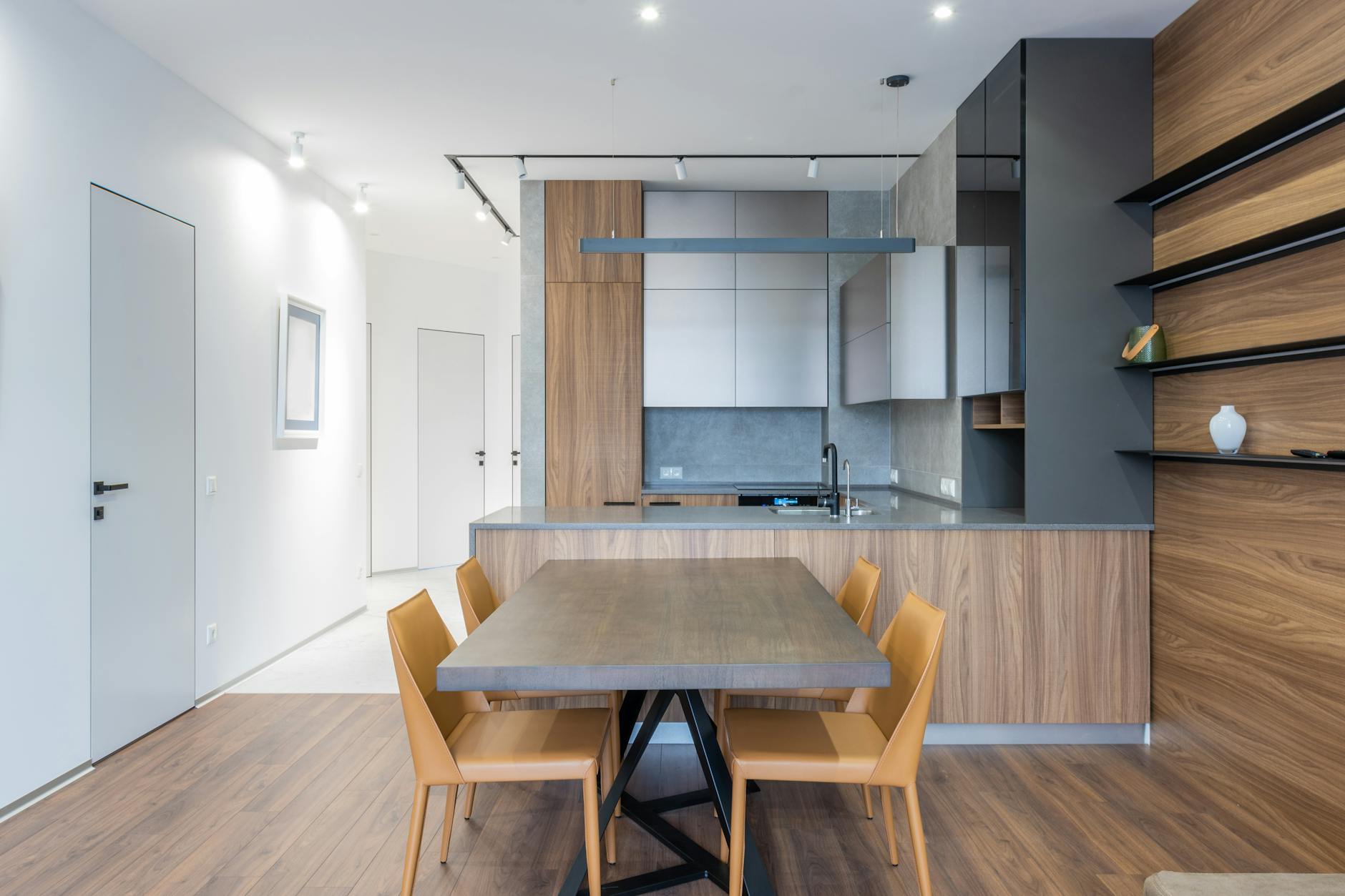
Sustainable Appliances Benefits
Enhancing Urban Living
Living in bustling areas like Brisbane, where the South Bank Parklands serve as an oasis of green, sustainable living is more than a mere trend—it's a necessity. Integrating energy-efficient appliances aligns with the principles of eco-friendly urban planning by minimising household energy consumption and reducing waste. Whether you are residing near the South Bank Parklands or in a modern apartment setting, selecting durable and sustainable appliances can significantly enhance your living environment.
Eco-Friendly Innovations
Eco-friendly innovations are at the forefront of the appliance market, offering substantial benefits in line with sustainable urban development goals. For those exploring these appliances, energy-efficient dishwashers stand out, particularly models like the Miele dishwasher, known for their low water and energy usage. Such appliances support households in reducing their carbon footprint without sacrificing performance or style.
Improving Efficiency at Home
The emphasis on sustainability often intertwines with a need for efficiency—especially in compact urban dwellings. Appliances designed with eco-efficiency can help streamline everyday tasks, allowing more time for everything from work to leisure. For example, dishwashers that offer quick cycles with lower energy consumption can contribute to an optimal household setup. These improvements not only ease daily routines but also align with personal values of minimising impact on the environment, creating a ripple effect of positivity within urban communities.
Frequently Asked Questions
Maintenance and Longevity
Ensuring the longevity of your sustainable appliances begins with regular maintenance. Much like the pristine upkeep of South Bank Parklands, tending to appliances prevents wear and tear. Clean filters, inspect seals, and schedule regular servicing to increase lifespan, drawing inspiration from the sun's dependable rise over Brisbane’s skyline. Choose devices with energy-efficient ratings and those offering warranty extensions for enhanced durability. Such products mirror the resilience seen in the eco-focused Roma Street Parklands.
Installation Insights
Navigating installations in limited urban environments can be as intricate as bridging the Brisbane River with the Kurilpa Bridge. Opt for compact, multi-functional appliances which cater to space constraints while promoting eco-friendliness. In the process, engage certified professionals who are familiar with the latest tool & equipment hire technology. This foresight is akin to laying the foundation for a thriving habitat. The integrated approach supports efficient resource use, much like sustainable urban planning initiatives within the city.
Environmental Impact Considerations
When considering environmental impact, channel the sustainable ethos prevalent in Brisbane’s outdoor spaces. Energy-efficient appliances significantly reduce carbon footprints, aligning with the city’s green policies. Approach this with the same ingenuity seen in converting wastelands into vibrant gardens, reflecting a commitment to greener living. Choose appliances that are manufactured sustainably and are poised for future innovations. This nod to eco-innovation draws parallels to the thoughtfully navigated terrains in our urban landscapes, ensuring that your efforts towards sustainability echo the greener trends sweeping through cities worldwide.